
Atlas’ Kirk Roderick will attend the 28th Annual Pennsylvania Abandoned Mine Reclamation (PA AMR) Conference, October 20–22, in Grantville, Pennsylvania, where he will present a case study on the multidisciplinary reclamation approach used at the Rohr Highwall Site. The conference theme, “Meeting the Challenge,” will bring together industry professionals, watershed groups and decision-makers to exchange ideas and advance approaches to abandoned mine reclamation, mine drainage treatment and watershed restoration.
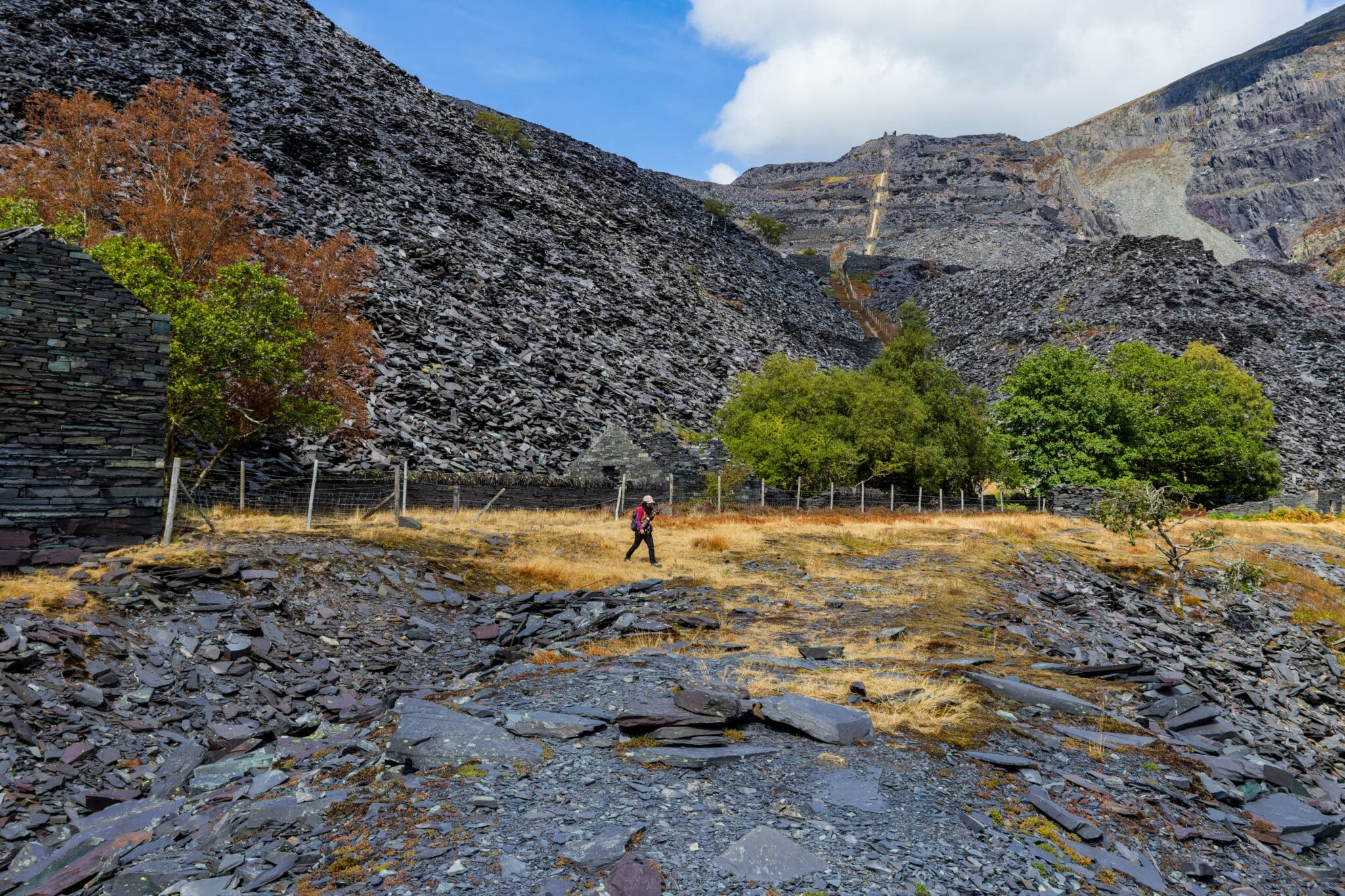
Across the United States, abandoned mine lands (AML) continue to present complex environmental, engineering and ecological challenges. Unstable highwalls, acid mine drainage, subsidence features and degraded streams remain visible reminders of mining’s legacy. At the same time, many of these sites have evolved into important ecological resources, supporting wildlife habitat and creating opportunities for landscape-scale restoration.
Conferences like the Pennsylvania Abandoned Mine Reclamation Conference matter because they create space for practitioners to share lessons learned, discuss emerging challenges and explore how reclamation programs are evolving to meet both environmental and community needs.
Why This Work Matters to Us
For Kirk, AML reclamation is rooted in a clear objective: restoring landscapes in ways that balance public safety, environmental stewardship and long-term sustainability.
Kirk’s work focuses on the engineering, geologic and hydrologic challenges that define many AML projects. Throughout his career, he has helped evaluate and reclaim sites impacted by abandoned highwalls, spoil areas, acid mine drainage and unstable terrain across Pennsylvania, West Virginia, Ohio and Indiana. Successful reclamation requires understanding not only what mining has left behind, but also how those conditions continue to affect the landscape decades later.
Sharing Lessons from the Field
At this year’s PA AMR Conference, Kirk will share lessons from a complex Pennsylvania reclamation project and the collaborative approach used to address interconnected site challenges.
Kirk will present “Reclamation of Legacy Mine Hazards: A Multi-Disciplinary Reclamation Approach” from 10:30 to 11:10 a.m. on Wednesday, October 21. The presentation examines the Rohr Highwall Site, a complex reclamation project involving hazardous highwalls, spoil materials consisting of coal refuse and red dog/clinker material, and drainage challenges associated with historic mining activities. Drawing from this case study, Kirk will discuss how engineers, geologists, environmental scientists and reclamation specialists worked together to evaluate site conditions, develop reclamation strategies and address long-standing environmental and public safety concerns. Kirk previously delivered this presentation at the 2026 National Association of Abandoned Mine Land Programs Conference, and he looks forward to continuing the conversation with Pennsylvania’s AML and watershed community.
The Rohr Highwall Site highlights a challenge common to many AML projects: no single issue exists in isolation. Highwall stability, drainage patterns, acid mine drainage, spoil management and long-term landform performance are often interconnected. Addressing one condition requires understanding how changes will affect the broader landscape. Kirk’s presentation explores how a multidisciplinary approach can help teams develop practical, site-specific solutions that balance technical requirements, environmental considerations and long-term stewardship objectives.
The Value of Coming Together
Federal and state investments continue to accelerate reclamation efforts across the country. At the same time, advances in engineering, geology, hydrology, ecological restoration, monitoring technologies and environmental planning are creating new possibilities for addressing legacy mine impacts in more comprehensive ways.
What we value most about the PA AMR Conference is the opportunity to connect with others navigating similar challenges across Pennsylvania. Conversations around highwall stabilization, acid mine drainage treatment, habitat restoration and long-term land stewardship continue to shape how the industry approaches reclamation.
As the practice continues to evolve, progress depends on collaboration, innovation and a willingness to share knowledge across disciplines. Kirk looks forward to joining those conversations in Grantville and bringing new perspectives back to the projects and communities Atlas serves.
Learn more about Atlas’ AML services and read Kirk’s article, Restoring What Was Left Behind: Atlas’ Leadership in Abandoned Mine Lands Reclamation, for additional insights into the challenges and opportunities shaping AML restoration today.

Clayton Kirk Roderick
Abandoned Mine Lands Program Manager
Clayton Kirk Roderick serves as Atlas’ Abandoned Mine Lands Program Manager. Kirk joined Atlas in 2022 and brings more than 26 years of experience in project coordination and supervision of coal and non-coal exploration projects, coal and non-coal surface and underground mine permitting, gas well permitting, gas line permitting, hydrologic studies and geologic reserve evaluations. He has extensive knowledge in mining permits where he has compiled and interpreted information for the completion of environmental permits in Pennsylvania and West Virginia and for the U.S. Army Corps of Engineers. He has represented clients at Pennsylvania Department of Environmental Protection (DEP) and West Virginia DEP meetings and public meetings, conducted field reconnaissance of sites and conducted various geologic and hydrologic studies.